


Can Nature Pay? Scaling High-Value Biodiversity and Carbon Markets
Home | Blog | Can Nature Pay? Scaling High-Value Biodiversity and Carbon Markets
Event: Reset Connect London 2026
Date and stage: Wednesday 24 June 2026, 12:00–13:00 (London time), Nature-Based Solutions Stage
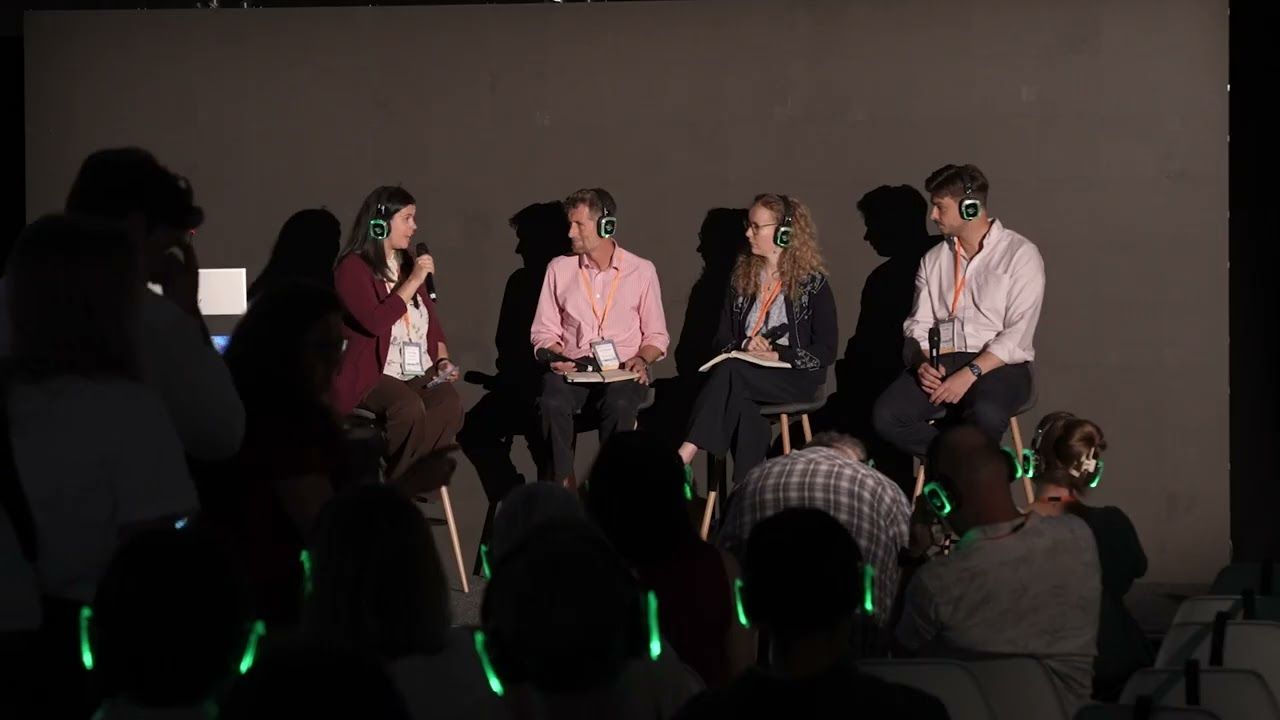
Moderator: Ilsa Ruiz Hughes, The Nature Conservancy
Speakers: Luke Baldwin, Nature Broking. James Whitehead, International Tree Foundation. Aliénor de Biolley, Nattergal.
Estimated read time: 5 minutes
Quick Read Summary
- Restoration teams need money to start work, often well before they can verify the outcomes buyers want to pay for.
- A project designed around carbon alone can create incentives to choose trees or practices that offer less value for wildlife and local livelihoods.
- Businesses can make a clearer case for investment by identifying the risks a project addresses and agreeing what evidence they will need over time.
What would a carbon buyer pay for?
Imagine a restoration team choosing trees for land used by elephants. Planting species the elephants are less likely to eat might help the trees grow faster. It could also make that land less useful as elephant habitat. James Whitehead of the International Tree Foundation used this example at Reset Connect London to show how a funding agreement can change what happens on the ground.
Ilsa Ruiz Hughes of The Nature Conservancy moderated the discussion with James Whitehead, Luke Baldwin of Nature Broking and Aliénor de Biolley of Nattergal. Their perspectives ranged from what a buyer can justify to its board to what communities need from the same piece of land. The question was how to bring more money into restoration while giving projects room to deliver the outcomes that matter locally.
Fund the work before asking for the results
Luke Baldwin described confidence as a barrier to larger commitments. Buyers may be wary of the reputational consequences of supporting a project they cannot adequately assess or explain. He also argued that the way companies budget for credits can make it harder to commit at scale. A decision to buy credits for immediate use and an investment in future supply involve different costs, timescales and risks.
Aliénor de Biolley approached the same problem from the restoration side. Projects need capital early enough to carry out the work that will produce measurable outcomes later. She described how upfront funding gives Nattergal room to undertake restoration and collect data. For the buyer, committing early means accepting that some outcomes will take time to verify. It also gives the buyer a chance to see how the work develops and discuss what evidence will be available at each stage.
Protect the outcomes that are harder to price
James Whitehead described work in areas where forests support elephant habitat and downstream water supplies, and where restoration includes planting trees on farms and supporting local livelihoods. If the work were designed to maximise carbon income alone, the calculation could favour trees that elephants avoid. It could also make community nurseries, threatened tree species or support for women’s leadership harder to fund.
Those choices affect who benefits and how well the work fits the landscape. A community nursery can build local skills and give people a role in deciding what gets planted. Fruit trees can support household livelihoods. Both can add costs that a carbon calculation may miss. The panel also discussed how ecological resilience can matter to buyers. A project’s ability to withstand setbacks affects how confidently a buyer can rely on its long-term outcomes.
Show what the investment changes
Aliénor de Biolley described how Nattergal reports to partners on restoration over time, including the effects it is looking for in biodiversity and water management. A river restoration project might help slow flood flows, while woodland recovery can store carbon. Those outcomes need different measurements, and evidence of one tells a buyer little about the other.
A funding agreement can separate what the team has done, what it has observed and what it expects to see later. That gives buyers something concrete to share with colleagues and stakeholders. It also creates a record that the restoration team can use to adapt the work if the evidence points in a different direction.
Make the case in terms the business can test
The panel discussed connecting an investment to a business dependency such as reliable access to water. A company that relies on a particular catchment can ask how drought or deteriorating water quality might affect operations and where restoration could help. That gives the board a specific question to consider and the delivery team a clearer outcome to track.
The discussion also covered the role of collaboration across a supply chain. Several businesses may depend on the same landscape and have reasons to support the same work. Bringing them together can spread the cost, provided the partners agree what each contributes and what each can credibly say about the results.
Putting it into practice
Start with the place and the outcome. Ask local partners what restoration requires, which costs arise first and what happens if the project takes longer than planned. Agree what the buyer is funding, who makes decisions on the ground and how progress will be measured. Where several partners fund the work, set out how each can describe its contribution.
Key Takeaways
- Match the timing of funding to when restoration teams need to spend it.
- Give communities a role in setting priorities and deciding how the work is delivered.
- Judge carbon, biodiversity and water outcomes using evidence suited to each.
Quote of the Session
“Solutions are driven by communities for communities.”
James Whitehead, International Tree Foundation
Final Thoughts
A market can bring in money for restoration. The terms determine whether that money helps pay for a thriving landscape, a viable livelihood and evidence that holds up over time. For a buyer, that begins with asking what the project needs to succeed and listening to the people who will be there long after the purchase is made.
Speakers and moderator
Ilsa Ruiz Hughes | Associate Director of Communications, Global Carbon Markets, The Nature Conservancy. Ilsa Ruiz Hughes moderated the discussion and asked how buyers and project developers can distinguish market perceptions from delivery risks.
Luke Baldwin | Chief Executive Officer, Nature Broking. Luke Baldwin discussed how buyer confidence, investment decisions and the design of credit purchases affect demand.
James Whitehead | Chief Executive Officer, International Tree Foundation. James Whitehead drew on community-led restoration in East Africa to explain how funding criteria can influence choices about trees, habitats and livelihoods.
Aliénor de Biolley | Business Associate, Nattergal. Aliénor de Biolley discussed upfront funding for landscape-scale restoration and how project monitoring helps partners understand the results.
Watch Full Session